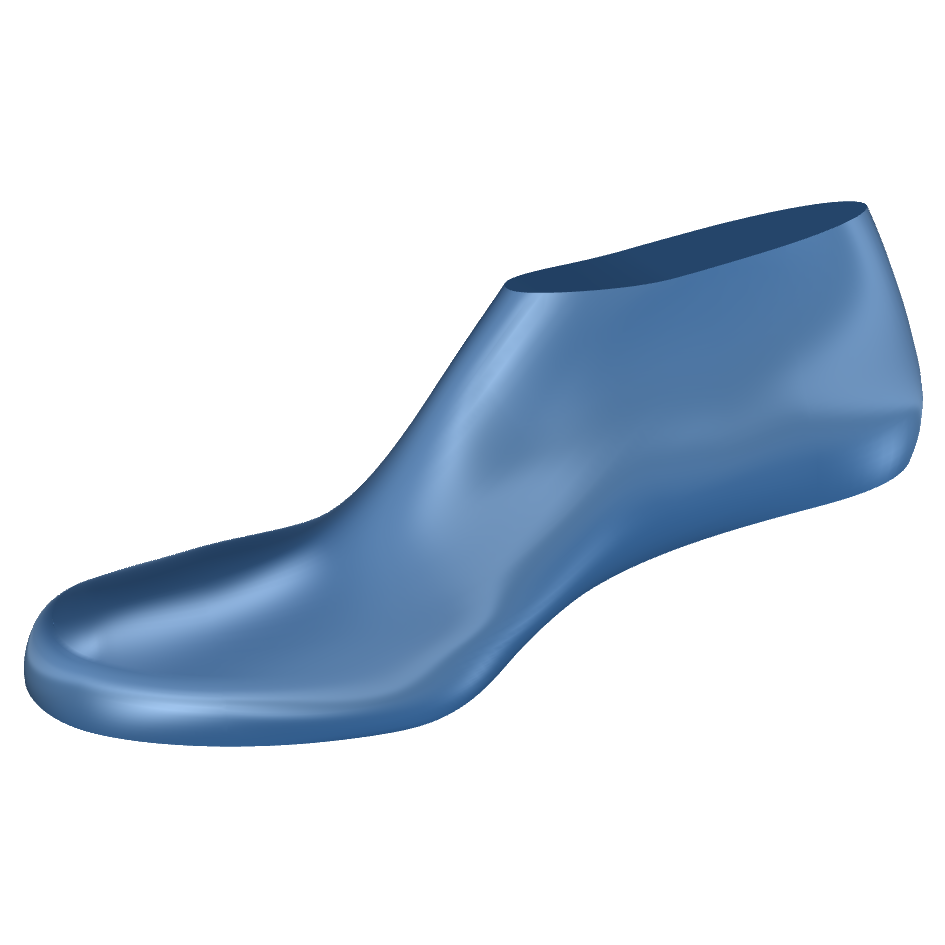
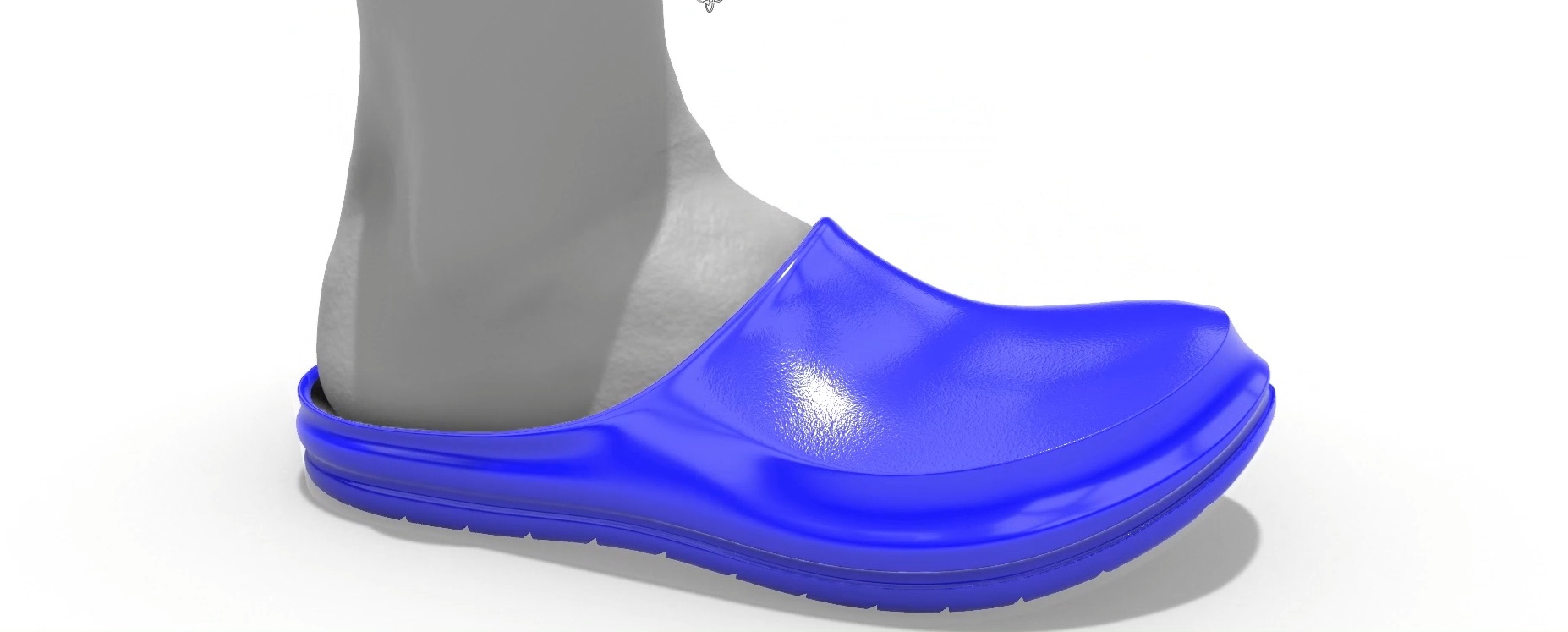
In this 3DShoemaker post, I’m going to introduce the new Commercial Design Pack along with the first design to have it, the Classy Clog. Each pack comes with a size run and also parametric models that can be used in the 3DShoemaker footwear customization system. Other order types still remain, including the individual customizable models and physical 3D printed samples. I’ll also get into what kind of markets there might be for this kind of 3D printed shoe.
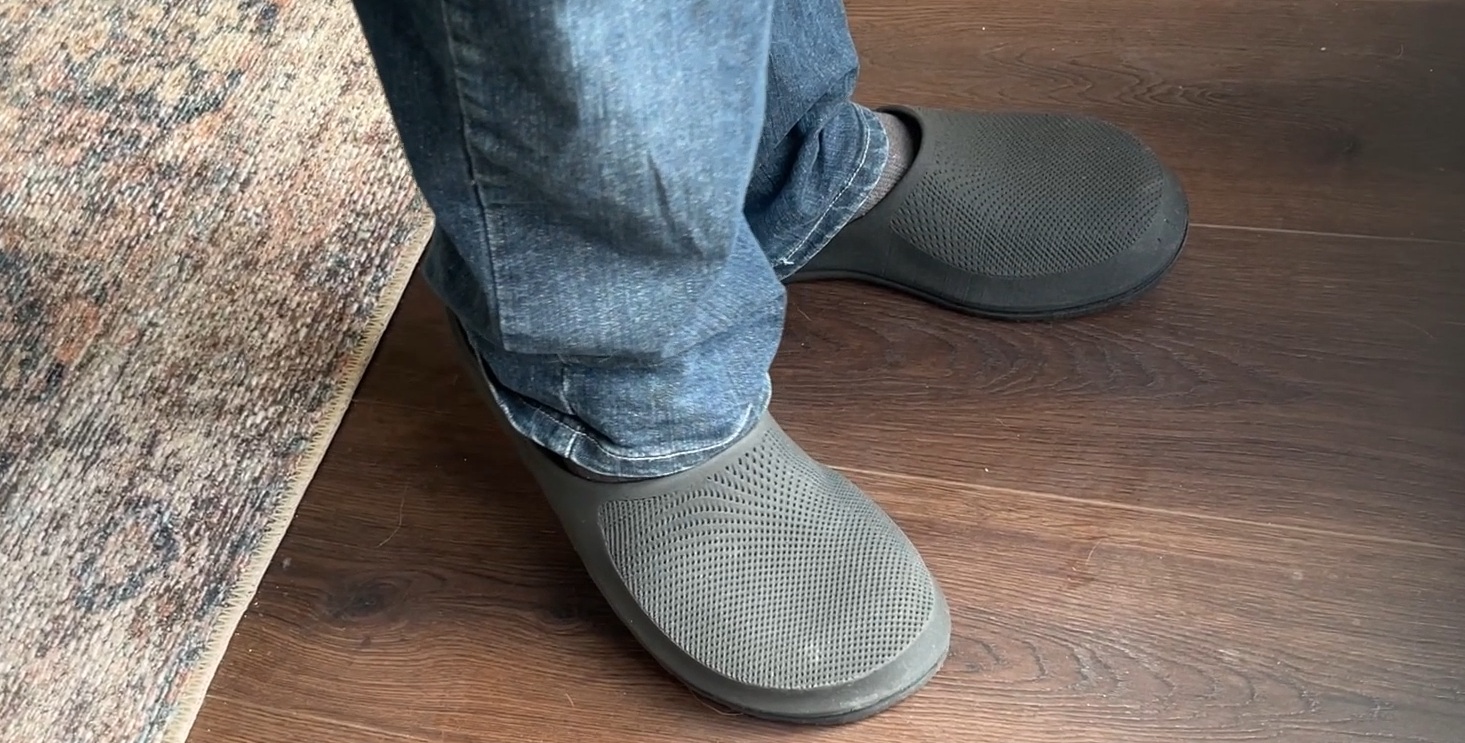
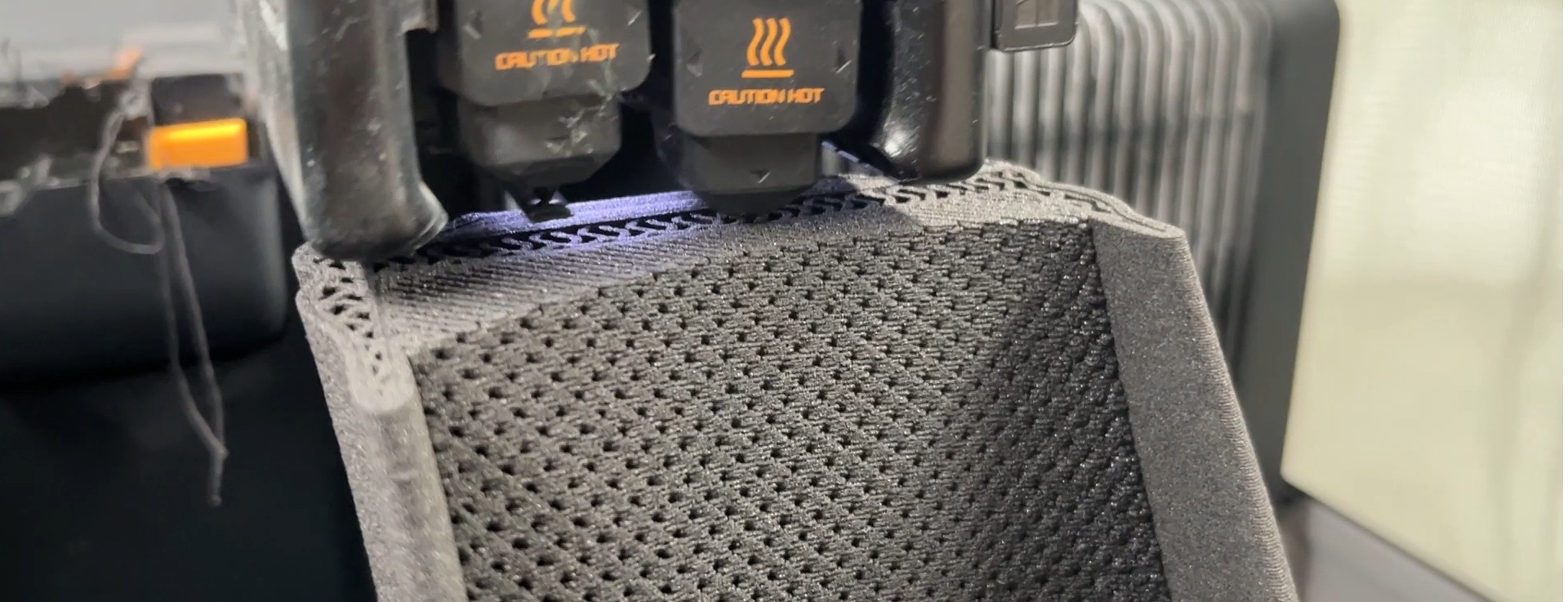
What finally motivated me to create the Commercial Design Pack was just how well my latest design, the Classy Clog, turned out. With it, I have sorted out the final remaining details in order to arrive at what I believe to be a commercially viable custom 3D printed shoe. All of the previous drawbacks have been addressed. Breathability has been solved with exposed infill for the upper and footbed. A new foaming TPU I’ll link to in the description has resulted in a softer body and grippier tread. And this filament along with design updates have greatly improved aesthetics and durability. All that being said, my testing has been limited to small-scale use, and so I can’t make guarantees regarding comfort, safety, or regulatory compliance. Anyone producing footwear using these designs assumes responsibility as the manufacturer.
3DShoemaker Ordering System
All designs can be found via the Designs drop down on 3DShoemaker.com. Once a design is selected, the next step is to choose the Order Type. Here is where, in addition to individual customizable models, free fit adjustments, and physical 3D printed samples, there is also the new Commercial Design Pack. Once ordered, you will receive a size run of static models as well as the parametric model for the 3DShoeamker plugin. The design pack is necessary if you wish to sell prints for profit.
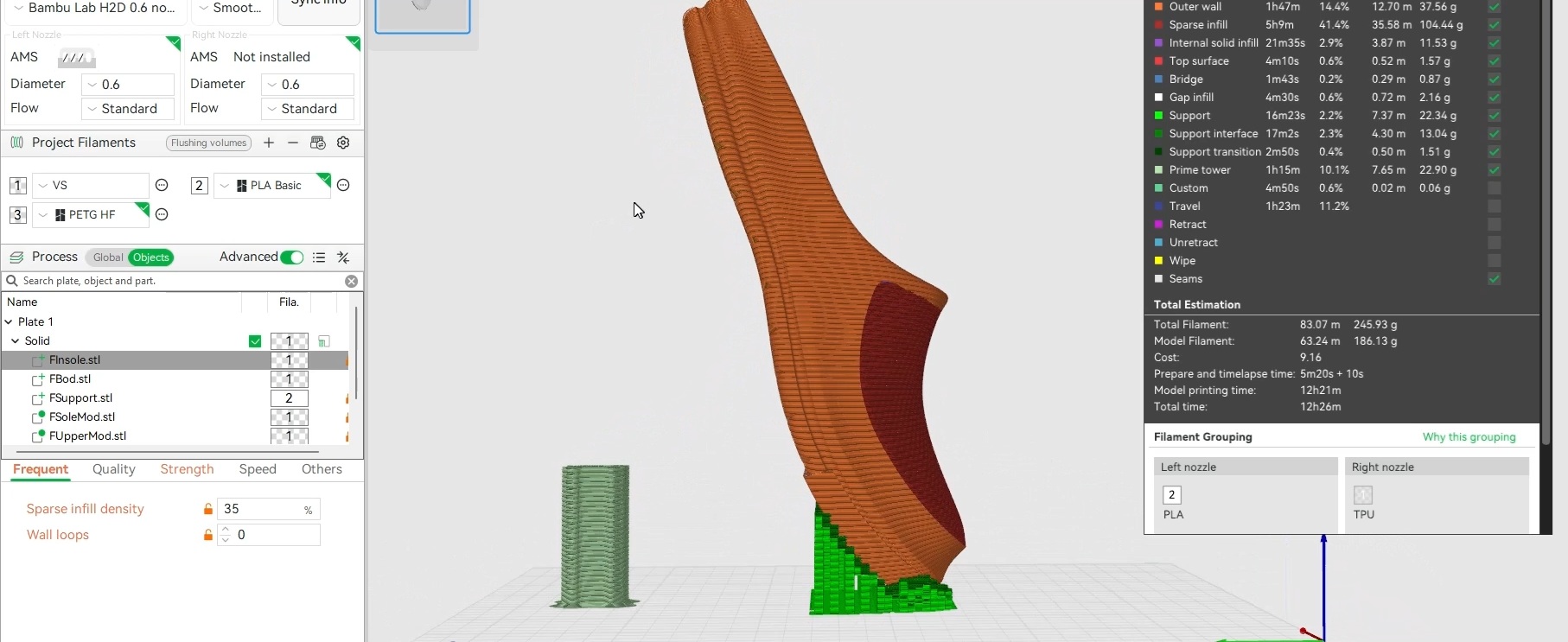
3D printable shoe orders include modifiers for the different regions an optionally, CAD generated supports. And an insole model is also included, which can be customized in the ordering form, such as by Arch Height. It can be printed at the same time as the shoe, separately with a different material, or even manufactured with another technique entirely. Also included are suggested 3D printer settings. Ideally designs are printed with a dual nozzle printer that can print dedicated support material, though this is not essential.
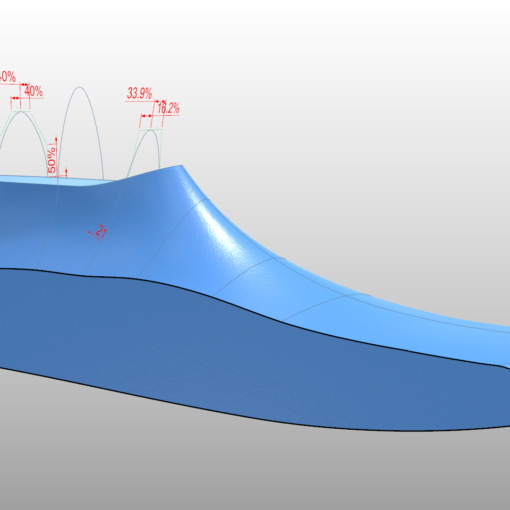
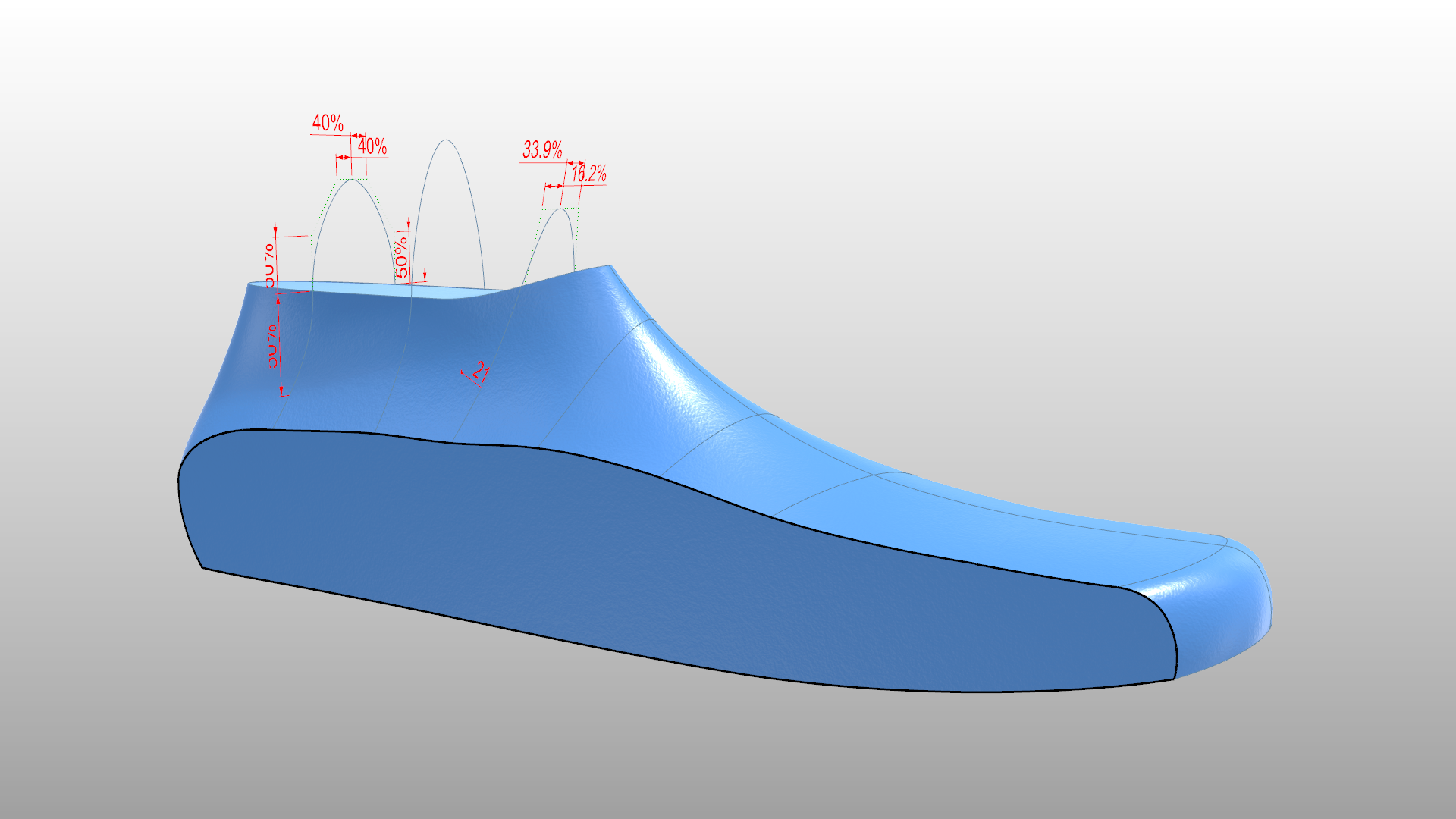
Industry standard sizing is used for all 3DShoemaker designs. So the various in store and online sizing apps out there should be useful for determining size. But to help further, all 3DShoemaker designs have a full size and width range of pdfs, each having a shoe last outline, which is basically the volume the foot fits in, that can be printed out and stood on. And there are also fit adjustments to hone in on the ideal fit, and even full bespoke, allowing for a variety of foot data inputs.
3DShoemaker Footwear Customization System
For those looking to take things to the next level and customize the fit of 3D printable shoe models themselves, there is the 3DShoemaker software. It runs as a plugin for the commercial CAD software Rhino3D, which itself is widely used by shoemakers. 3DShoemaker allows for the importing of a variety of foot data types, such as 3D foot models, and then the parametric generation of bespoke core footwear geometry, namely the shoe last, footbed, and component/shoe volume. On top of that there are free form and automated sculpting tools to handle more challenging cases. Shoe designs can then be morphed from base core geometry to the custom core geometry. The commercial design packs includes such base geometry and shoe models. And you can of course design your own shoes in Rhino as I’ve demonstrated previously, or any other CAD software for that matter, and just use 3DShoemaker for customizing fit. In general, it is a customization system far and beyond the simple scaling that is employed elsewhere.
Potential Markets for 3D Printed Shoes
The cost to print these is reasonable, somewhere around $30 – $50 dollars of filament per pair depending on size and brand, and under a day to print. And surely discounted bulk purchasing could be arranged and a print farm could be used. That should leave plenty of margin to sell in a wide range of markets. Most simply, there is the direct to consumer route over the internet, where consumers worldwide could be reached with no middle man at all. I could also see them being sold in Brick and Mortar shops, maybe even printing right in the store, possibly on display for customers to see. That would surely draw a crowd and be great for store promotion in general. This could even be done at a mall kiosk or at craft shows. We’re still at the point where the average person really just isn’t aware yet of what is possible with customized 3D printed shoes.
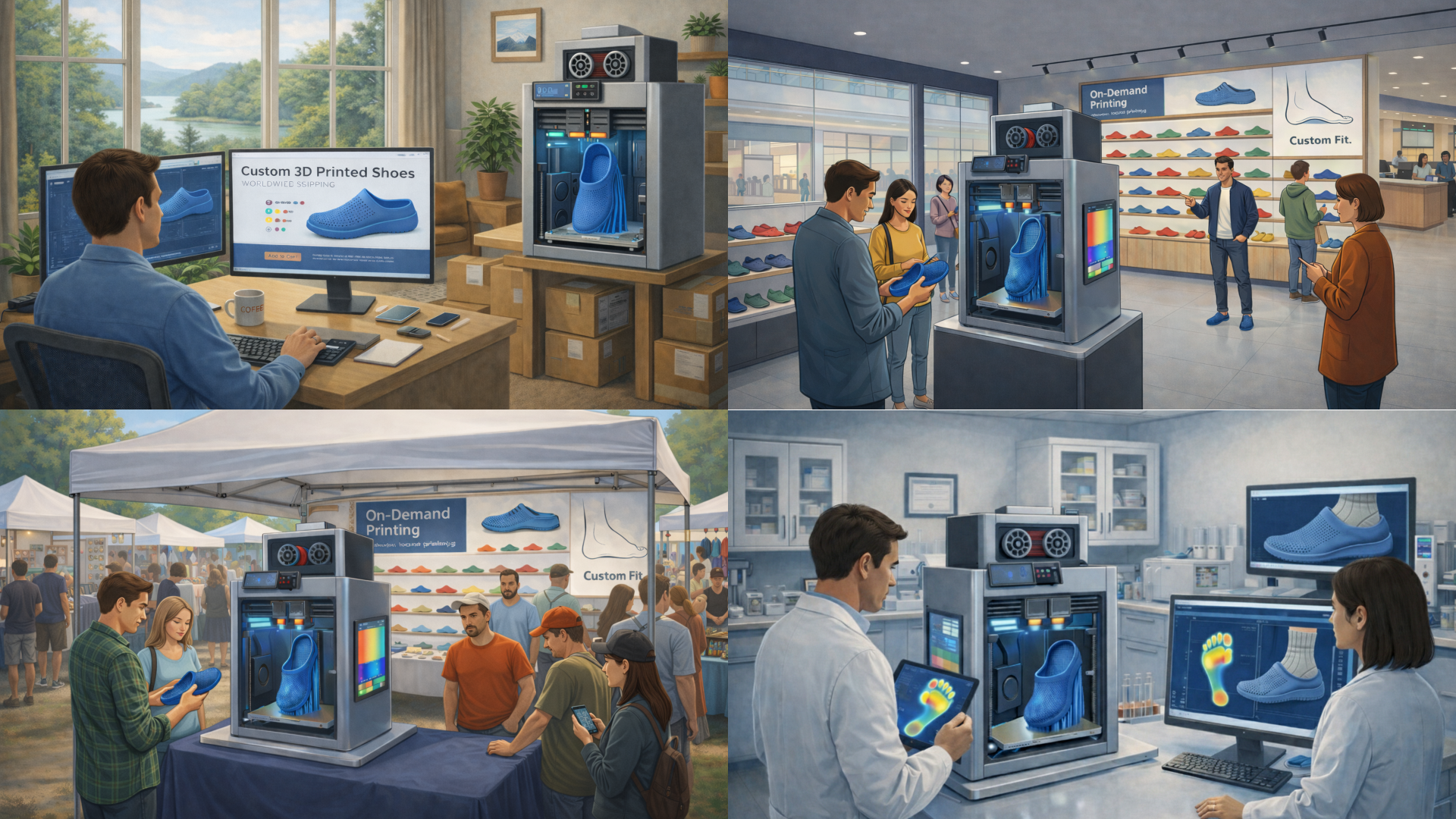
Another market I’ve looked into is that of medical orthotics and orthopedic footwear. The clinics and labs I’ve spoken with have been impressed with the concept, but feel the material can’t compete with the likes of leather and woven fabrics, and that would surely be echoed by insurance providers. But I can’t help but think there must be some clinical use for a true custom shoe that can be produced at for a fraction the cost of conventional means. Perhaps there are some clinicians out there that come across this post who could chime in.
What’s Next
Next I plan on introducing additional 3D printed shoe designs. And of course I will continue to develop components for more conventional shoemaking. Whether you’re a hobbyist exploring 3D printing or run a footwear business, the 3DShoemaker system — plugin, parametric models, and design packs — gives you the tools to create, test, and sell your own footwear while best leveraging 3D printing. That’s all for this 3DShoemaker update. Please subscribe for updates. Thanks for reading.